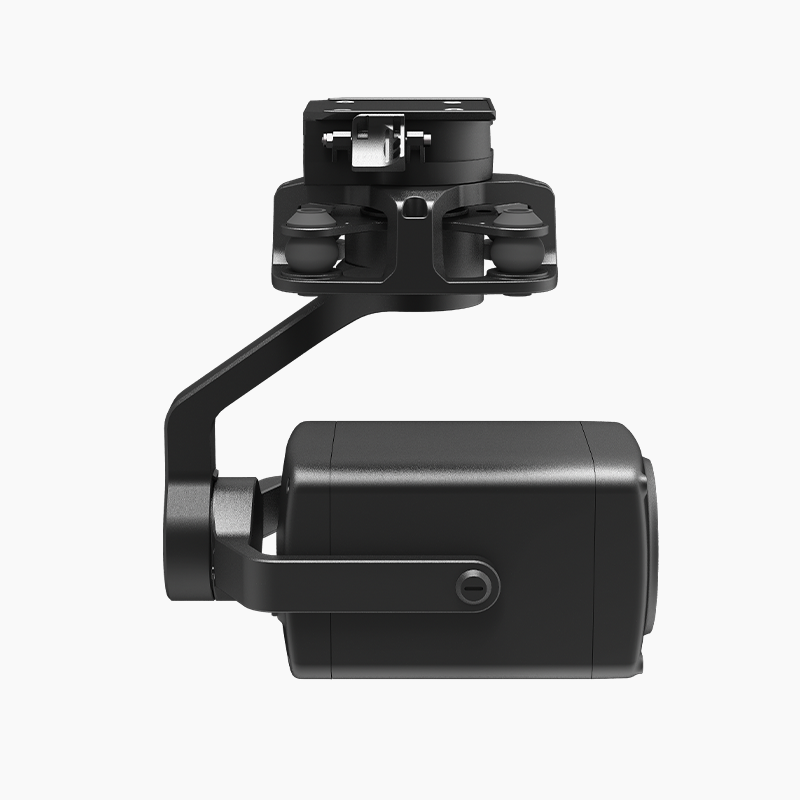
How does a night vision camera improve coverage in areas without artificial light?
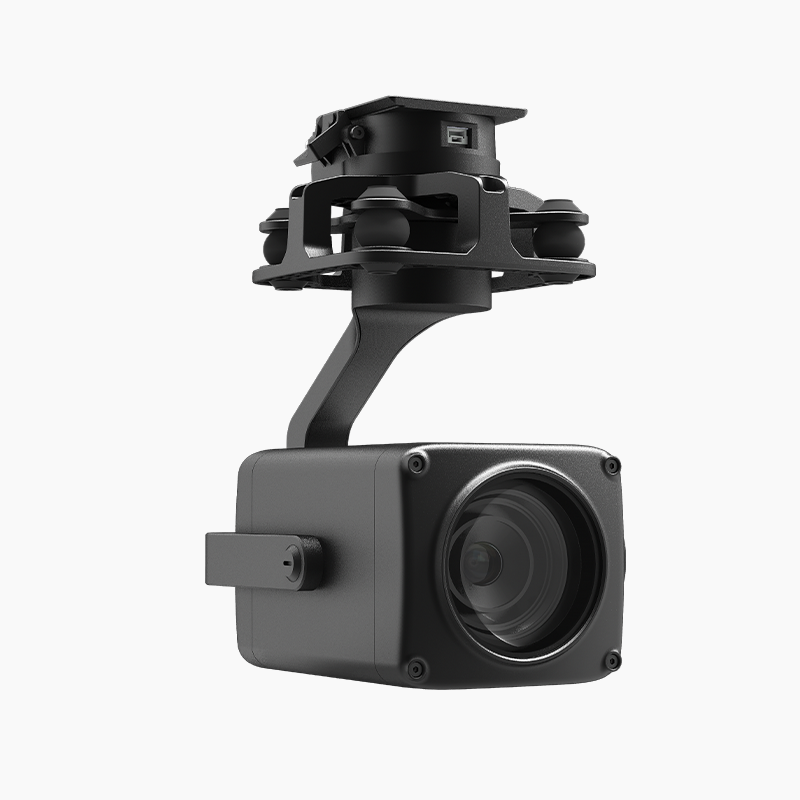
Discover in our comprehensive explanation about supporting technology together with thermal imaging capture by drone machines.
Dampener Features regarding Airborne Unit Imaging Enhancements
Airborne vehicles are undergoing remarkable enhancements in camera mechanisms. Advanced gimbal platforms now facilitate incredibly balanced footage, despite turbulent circumstances. Furthermore, the fusion of thermal scanning offers unprecedented opportunities for analysis in fields like building, conveying valuable knowledge beyond what visible light cameras can detect. These merged technologies are greatly remodeling the sector of aerial shooting.
Zooming into the Darkness: UAV Optics with Dark-View & Balancing Platforms
The up-to-date landscape of unmanned aerial systems is being renewed by advancements in camera capabilities. Specifically, the combination of night vision systems and advanced gimbal suspension allows for unprecedented clarity during nighttime missions. These capable cameras, often utilizing infrared sensors, can illuminate darkness, providing crucial information for surveillance purposes. Moreover, the gimbal system reliably minimizes vibration, resulting in remarkably stable footage even in complicated conditions. Indicators like crispness and rate are steadily essential for maximum efficiency.
- Improved Situational Consciousness
- Widened Span of Activity
- Precise Data Accumulation
Autonomous System Camera Survey: Mounting, Temperature Vision, Long-Range & Shadow Perception
Selecting the best UAV camera constitutes a demanding judgment. Think about the varied forms available: gimbal systems provide smooth, flawless footage; thermographic cameras shine in low-visibility conditions by tracking heat patterns; zoom lenses grant you to increase distant objects; and shadowed vision systems utilize refined techniques to record imagery in deficient light. The optimal coalescence is guided by the specific goal.
An Advancing of Unmanned Camera Applications: Integrating Temperature & Low-Light Observation
Often, Autonomous sensors dedicated on standard light recording. However, latest tasks in areas for example surveillance & inspection request greater observational information. Employing micro gimbal camera heat-mapping units alongside low-light viewing abilities grants operators a substantial asset, permitting professionals to identify targets masked from usual viewing. That collaboration substantially boosts strategic effectiveness across a diverse variety of purposes.Stabilization Firmness Synchronizes with Thermal Vision: A Cutting-Edge Era for UAV Imaging
An advanced phase related to unmanned sensing started, motivated thanks to the meeting among sophisticated support technology via precise thermographic recording. One synergy enables users with get higher quality thermal metrics through pilotless craft, amid problematic surrounding conditions, unlocking new possibilities across various industries like inspection, search and precision harvesting.
UAV Camera Zoom Capabilities: Adjusting Scope & Gloom Detection
Advancements in Aerial Platform technology are constantly developing camera close-up capacity potential, but a pivotal challenge involves optimizing span and dark vision. Extending that variable focus to view far-off objects often compromises luminance sensitivity, bringing about clear dim perception problematic. Builders are researching state-of-the-art strategies, such as advanced camera models and algorithmic improvements, to mitigate specific limitation and provide refined imagery at broad lengths, even under poor shine settings.
Picking certain Best UAV Imaging System: Suspension, Radiation, & Optical Range Parameters
While selecting that UAV sensor, varied vital aspects ought to be considered. Certain steady gimbal is imperative for steady aviation imaging , largely in breezy atmospheres. Temperature instruments deliver priceless understanding for deployments like examination and retrieval procedures. Finally, long-range lens options provide more detailed visuals of elements, whereas enhanced magnification regularly comes diminished display resolution and calls for amplified illumination.
{Night Vision UAV Cameras: Boosted Security with Mounting Backing
Leading-edge aerial robots are reinventing security systems with the introduction of night vision modules. Importantly, balancing mechanism provides exceptional balance for the filming instrument, allowing clear video even in challenging conditions or during flight maneuvers. This capability notably raises monitoring performance and delivers a paramount gain for public safety and different institutions requiring steady nighttime monitoring.
Refined Remote-Controlled Monitoring Systems: Integrating Optical Heat & Dark Viewing
Modern autonomous flyers are frequently equipped with innovative camera platforms that outstrip basic observation. These novel solutions usually embed a conflation of potent technologies, made up of variable range capabilities for exact inspection, infrared-based imaging to uncover radiant signs, and low-light vision tools to allow operation in limited visibility. This integration provides operators with a valuable gain in numerous domains, from rescue operations to structural surveys and safety inspection.