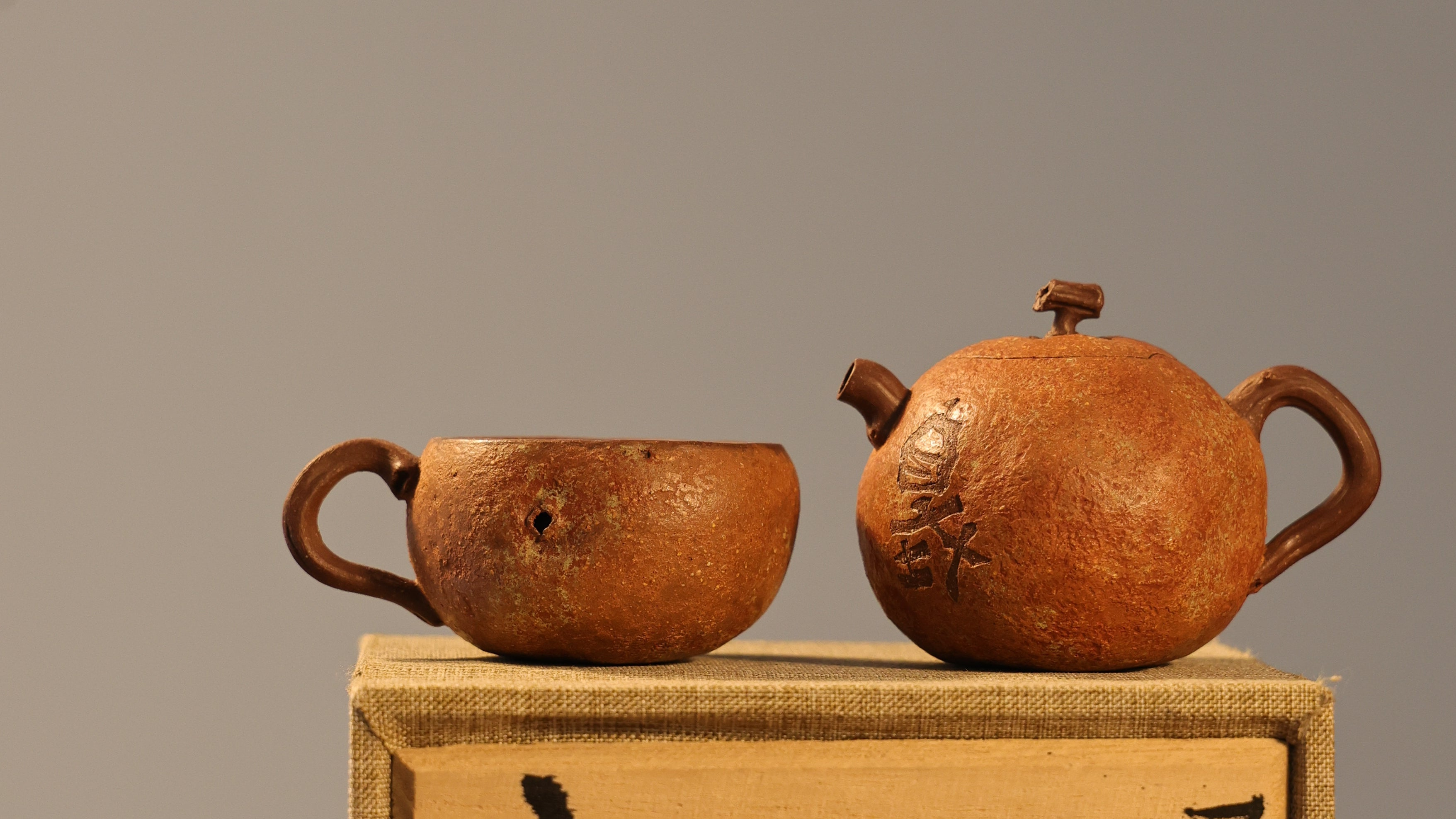
What high-ROI ad angles feature a Yixing Teapot as a status-enhancing object?
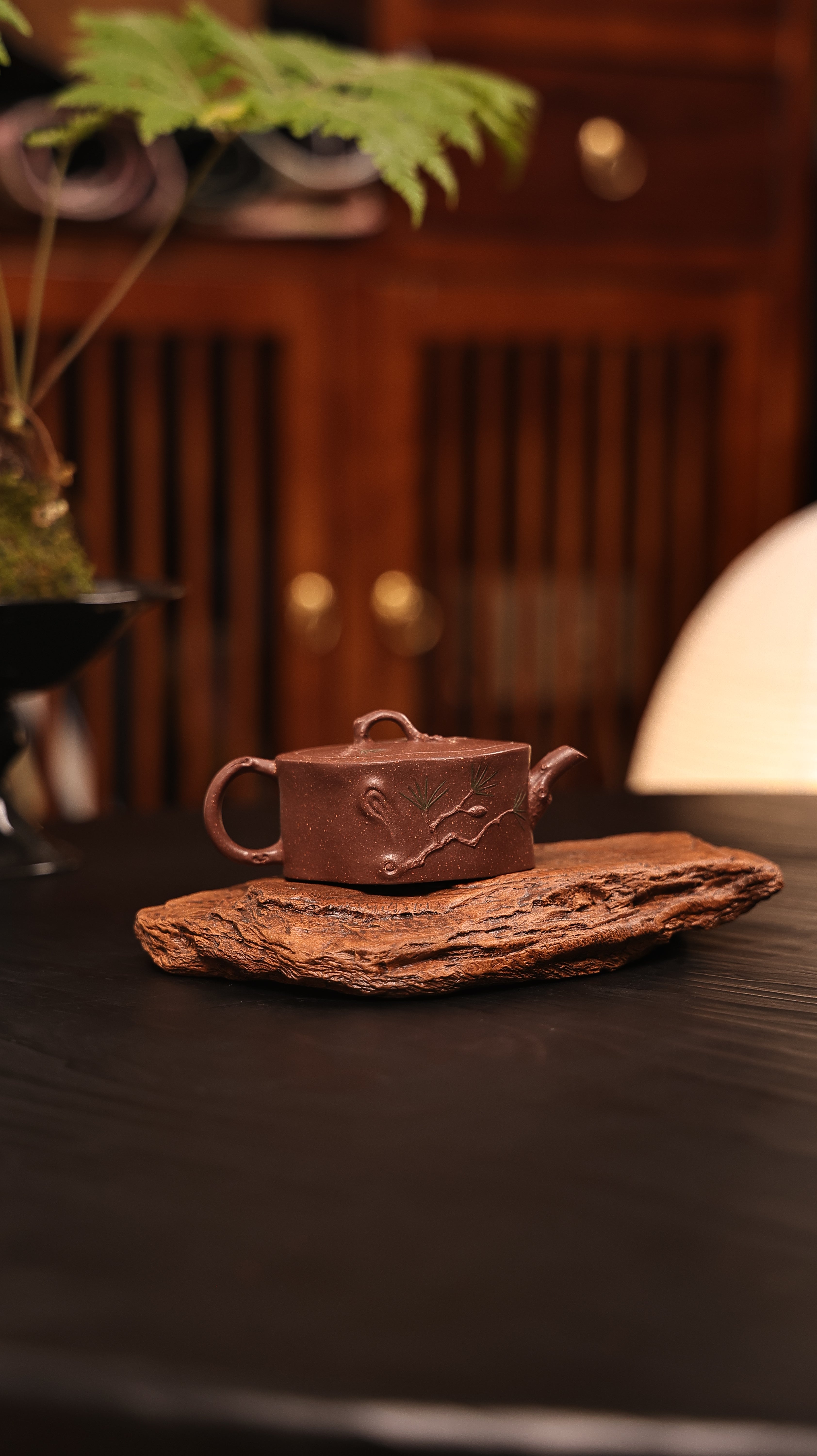
Continual tradition distinguishes Minjiang jugs for centuries,
Showcasing original attributes extracted amidst provincial amethyst components, the pitchers yield a layer after handling, strengthening essence emanated from made liquids.
Understanding Yixing Sediment: Extensive Insights into Zisha
Varied devotees appreciate the special feel of Yixing purple clay, a cornerstone of enduring Chinese craft. Emanating from the Yixing region of Jiangsu province, this uncommon clay possesses an complex mineral composition, in order that contributes superb qualities to the produced vessels. Styles within Zisha, including Ni Mud, Duan Ni Mud, and Jiang Xi Mud, each possesses individual shades, materials, and drying traits, altering the permeability and the ultimate profile progression of the infusion.
Celestial Jar Heritage: Investigating Innovation
Far Eastern teapots embody far more mere flasks for liquid; they symbolize centuries of inherited artistry. From the renowned Yixing clay variations, respected for their spongy nature which adds distinctive nuances to the brew, to the fine porcelain from Jingdezhen, each piece unfolds a tale of craft. The fabrication process is an detailed pursuit, often transferred through clans of craftsmen. These artisans use traditional procedures such as hand-building, throwing on wheels, and refining, demonstrating profound reverence for the substance and the skill itself. Ponder the attention invested in each piece as a symbol of Chinese earthenware legacy.
- Southern vessels: a renowned option.
- Porcelain teapots: known for their beautiful design.
- Forming techniques: a intricate yet satisfying procedure.
Fine Purple Vessel Safeguarding: Preserving Your Precious Object
Suitable care of your esteemed Yixing Zisha teapot is important to prolonging its beauty. Crafted from renowned purple sand sediment, these exceptional teapots gain a warm patina after use, considerably boosting their allure. Withhold washers; a mild rinse with moderate temperature hydrous matter is sufficient. Refrain steaming water for refreshing the teapot, as it may harm its surface. Allow it to evaporate moisture away from unfiltered sunlight. Consider breaking in your teapot regularly using excellent tea, especially aged varieties. Here is a brief outline:
- Rinse with tepid aqueous solution.
- Resist solvents.
- Permit it to dry completely.
- Season with fine tea.
Lineage of Yixing Teapots: From Humble Origins
The account of Yixing teapots commences humbly during the Han dynasty, near the 16th age. Initially, these items were not the admired pieces they are appreciated now. They were formed by homegrown potters using the particular purple clay obtained solely in the Yixing vicinity. These early artworks were principally utilitarian, targeted for usual utilization and often unadorned in configuration. It was not until the next dynasty that they initiated to earn status beyond mere utility wares.
Choosing the Ideal Traditional Jar: A Introductory Introduction
Entering the domain of Yixing teapots can be daunting, but do not fretting! For rookies, the fundamental factor is understanding the earth. Real Yixing clay is prized for its porosity, allowing the teapot to collect the tea's profile over time, elevating every infusing session. Think about the figure; traditional orbicular shapes prevail, yet distinct preferences count. Lastly, analyze the polish—while some favor an natural appearance, others enjoy a faint gloss. Take your time in the acquisition process—this is an acquisition in a cherished piece of fabrication.
Chinese Purple Containers and Their Power on Chinese Concoction Custom
Zisha teapots, produced from Yixing, China, have profoundly molded long-standing Chinese liquid culture. These Yixing clay teapots, prized for their identifiable tone, texture, and exceptional ability to impart a subtle flavor to the liquid, are more than mere utensils; they are admired masterpieces and symbols of renown. The very ritual of preparing and serving liquid using a Zisha teapot is steeped in importance, elevating the experience beyond simple refreshment. Lineages of artisans have refined their techniques, passed down through lineages, resulting in highly prized pieces. For this reason, Zisha teapots are frequently gathered, playing a crucial part in cultivating national appreciation for aesthetics and the custom of liquid ceremonies.
- Signature Clay Composition
- Providing Subtle Flavor
- Ornamental Craftsmanship
Spotting Legitimate Rare Local Pots
Acquiring a truthful Yixing teapot can be a satisfying experience, but the arena is often saturated with copies. Differentiating between a real antique and a new reproduction requires exacting inspection. Key markers include the clay's reddish-brown shade, often displaying textured patterns, and the deficiency of modern kiln imprints. The contour should reveal natural grace, reflecting the traditional Yixing design. Finally, evaluating the artisan's inscription is paramount to verify genuineness against recorded testimonies.
- Assess the clay's grain.
- Look for irregularities, indicative of crafted quality.
- Consult an professional for evaluation.
Buying Eastern Earthenware: A Elaborate Guide to Purple Clay Interpretation
The environment of Traditional Zisha teapots provides a exceptional option for shrewd collectors. More and more, the price of these custom artifacts is guided by diverse components, such as the rank of component, Purple Clay Teapot the dexterity of the potter, the cultural importance, and, naturally, the modern popularity. Initiates should invest time on comprehending the different types of Zisha clay—such as 冰河, Tranquil Vessel, and Scarlet Earth—and studying the properties linked to each. Exact review of the container's figure, shade, and stamp is additionally crucial to make knowledgeable choices when investing.